Balancing Aesthetics and Safety: The Importance of Regular Tree Crown Thinning May 25, 2026
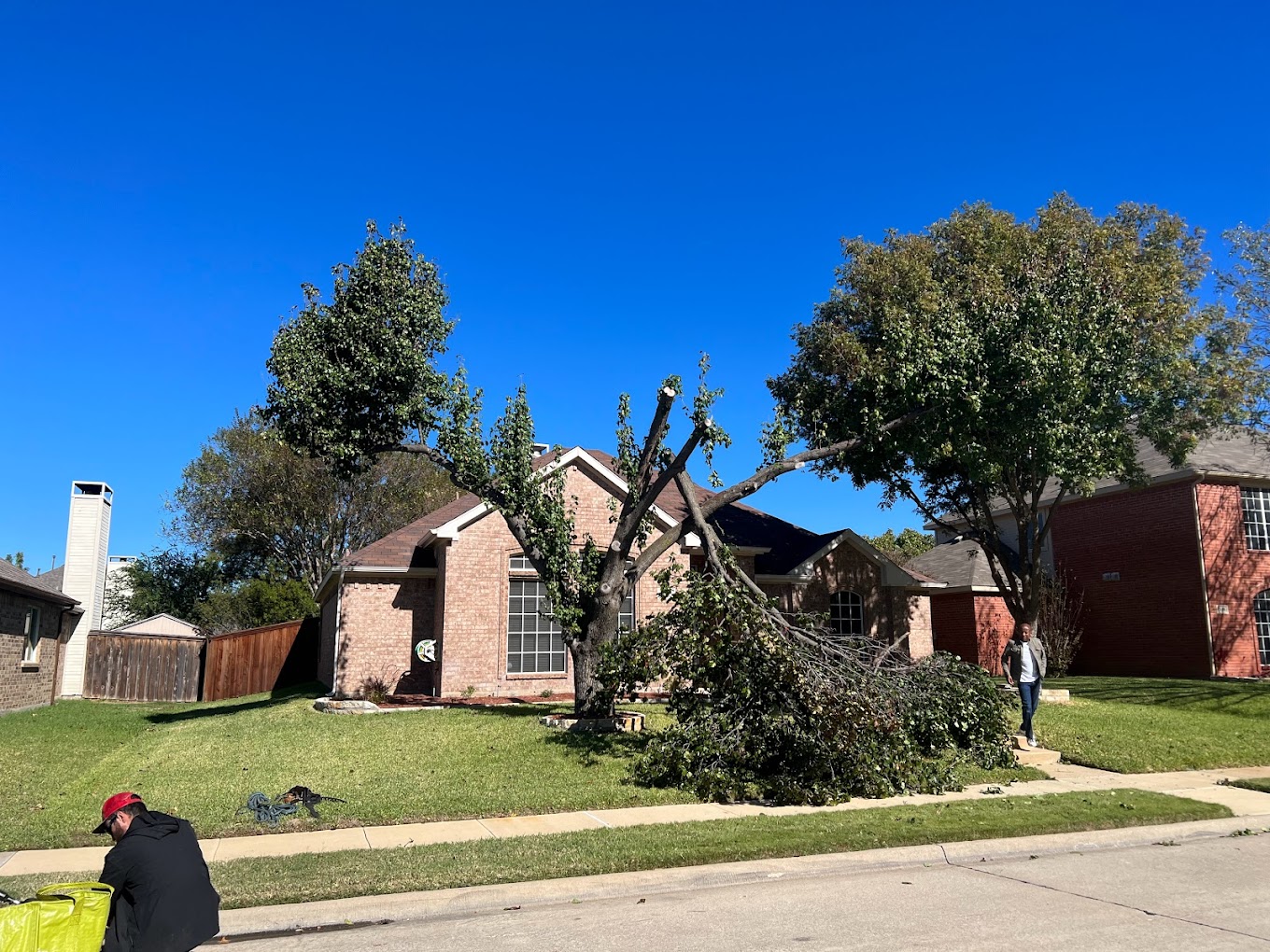
Tree crown thinning involves the selective removal of some branches from the crown of a tree. This practice should not be confused with topping or pruning, as it strictly focuses on reducing tree density without altering the overall shape and size of the tree. The aesthetic appeal of a neatly maintained tree is undeniable, but what’s equally important is the safety it provides. Over the years, unmanaged trees can become hazardous due to dead branches or excessive growth, potentially leading to damage during storms.
Incorporating regular tree crown thinning into your landscape maintenance routine offers numerous benefits. Firstly, it enhances the natural beauty of the tree by allowing more light to penetrate through the branches. This not only improves the tree's shape but also benefits the plants and grass underneath, promoting healthier growth in your garden. Additionally, improved air circulation reduces the risk of diseases that thrive in dense canopies.
Safety is another significant advantage of tree crown thinning. By removing weak or dangerous branches, the risk of falling branches is minimized, particularly in windy conditions. This is especially important for trees located near homes, power lines, or frequently used outdoor spaces. Moreover, thinning the canopy can reduce the overall weight of the tree, thus preventing potential structural damage during severe weather.
Hiring professional services such as those offered by Imber’s Tree Service LLC ensures that your trees are thinned accurately and safely. Their team of experts is trained to assess the specific needs of each tree, considering factors such as species, age, and current health. By understanding the particular requirements of different tree types, they can execute thinning in a manner that does not compromise the tree's health or its structural integrity.
One of the challenges many tree owners face is determining the right frequency for tree crown thinning. Although the requirements can vary based on the tree species and its environment, a general guideline is to conduct thinning every three to five years. Professional evaluation can provide a more precise timeline tailored to your landscape’s unique needs.
For those considering undertaking tree crown thinning, it is essential to avoid DIY methods unless experienced. Incorrect thinning can lead to stress on the tree, increase vulnerability to pests and diseases, and compromise its growth. Professionals bring expertise and the proper equipment, ensuring that each cut aids the tree's growth and enhances its safety.
In summary, regular tree crown thinning is a proactive measure that can transform a property’s landscape, making it both visually appealing and safe for everyone. By prioritizing this essential service, homeowners and property managers can enjoy beautiful, flourishing trees that contribute positively to the environment and provide peace of mind during extreme weather conditions. Imber’s Tree Service LLC is committed to helping clients achieve this balance, providing expert care that safeguards both your trees and property.
/filters:no_upscale()/filters:format(webp)/media/7d9cf89d-5f52-4d43-916b-220845da42e8.jpeg)